
The start of a new year brings fresh energy, renewed motivation, and a sense of possibility—an ideal time to prioritize your health and well-being. Whether your goals include increasing your physical fitness, improving your mental health, or building more balanced routines, the key to lasting transformation lies in sustainable habits. This comprehensive guide explores expert-backed tips to help you kickstart your wellness journey and set yourself up for a healthier, happier year ahead. With thoughtful planning, mindful choices, and consistent effort, you can create meaningful changes that truly last.

Embrace Realistic Goal Setting for Sustainable Success
When diving into a new wellness journey, it can be tempting to overhaul your entire lifestyle at once. However, experts consistently emphasize the importance of gradual, realistic goal setting. Instead of adopting overly ambitious resolutions—like daily intense workouts or completely eliminating your favorite foods—start with manageable, measurable objectives. Small, consistent actions result in long-term lifestyle shifts, helping you stay motivated and avoid burnout. For example, rather than aiming to “exercise more,” try setting a goal such as “walk 20 minutes three times per week.” As you build confidence, you can incrementally increase your goals. This approach transforms healthy habits from daunting commitments into attainable achievements. Remember, it’s perfectly normal if progress is uneven. The key is persistence, not perfection. Revisit your goals monthly, assess what’s working, and make adjustments as needed. This flexible and compassionate approach leads to sustainable success and long-term personal growth.
Improve Your Nutrition One Habit at a Time
Nutrition plays a central role in overall health, affecting everything from energy levels to immune function. Yet, many people feel overwhelmed when trying to revamp their diet. The secret is to focus on one or two small changes at a time. Begin by incorporating more whole foods like fruits, vegetables, lean proteins, and whole grains into your healthy groceries and meals. Gradually reduce processed foods, sugary snacks, and sodas without adopting extreme restrictions. You might try adding one additional vegetable to each meal or drinking a glass of water before every meal to support hydration and digestion. Another helpful strategy is mindful eating—paying close attention to hunger cues, slowing down during meals, and savoring each bite. This can significantly improve your relationship with food and help you avoid overeating. Over time, these small nutritional changes compound into meaningful improvements that enhance your physical health and support long-term wellness.
Prioritize Consistent Physical Activity
Regular exercise offers countless benefits, from improving cardiovascular health to boosting mental clarity, reducing stress, and enhancing sleep quality. You don’t need an expensive gym membership or high-intensity training program to reap the rewards. Instead, find forms of movement that you enjoy—walking, yoga, strength training, cycling, dancing, gardening, or trail walking with new hiking shoes! The key is consistency, not intensity. Experts recommend aiming for at least 150 minutes of moderate activity per week, but even ten minutes a day can make a difference when you’re just starting out. Consider incorporating movement throughout your day by taking the stairs, stretching during work breaks, or scheduling workout reminders. Many people find morning movement helps set a positive tone for the day, while others prefer evenings as a way to decompress. Experiment to discover what works best for you.
Strengthen Your Mental and Emotional Well-Being
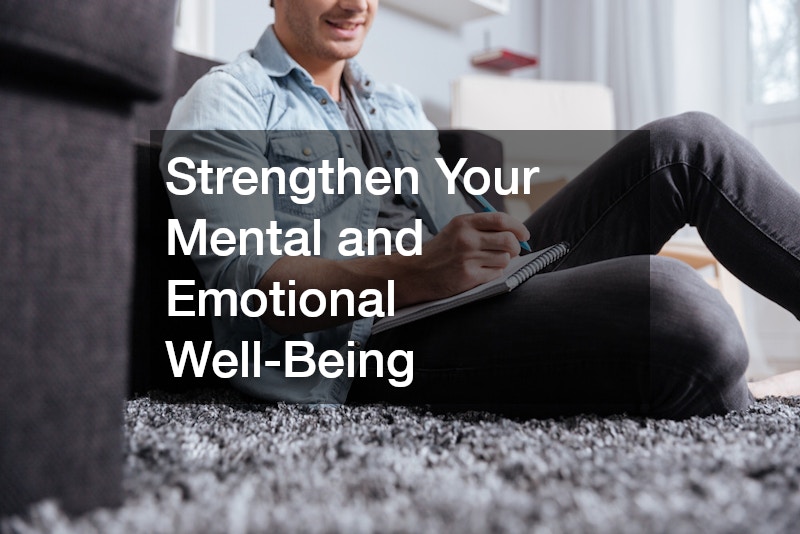
Wellness isn’t limited to physical health—your mental and emotional state is just as important. As you enter the new year, focus on establishing practices that support inner calm, resilience, and clarity. Mindfulness-based habits, such as meditation, journaling, or deep breathing exercises, can help reduce stress and improve emotional balance. Even five minutes a day makes a noticeable difference. You might also incorporate digital detox periods, unplugging from devices for an hour before bedtime or designating tech-free zones in your home. Building strong social connections is another vital component of mental well-being. Spend time with loved ones, communicate openly, and seek support when needed. If you struggle with anxiety, depression, or ongoing emotional challenges, consider speaking with a mental health professional and your doctor. Prioritizing your mental health is a powerful step toward a more balanced and fulfilling life.
Build a Sleep Routine That Restores Your Body
Quality sleep is foundational to healthy living. It supports cognitive function, emotional stability, metabolism, and immune health. Yet many people struggle to get the recommended seven to nine hours of sleep each night. To improve your rest, create a consistent sleep schedule by going to bed and waking up at the same time—even on weekends. Establish a calming nighttime routine, such as reading, stretching, or taking a warm shower before bed. Reduce exposure to screens at least an hour before bedtime and use your eyewear properly, as blue light can interfere with your natural sleep-wake cycle. Ensure your bedroom environment promotes rest: keep the space cool, dark, and quiet. Some people benefit from white noise machines, blackout curtains, or aromatherapy. Be mindful of caffeine and late-night eating, both of which can disrupt sleep. A well-structured sleep routine will leave you feeling more energized, focused, and prepared to tackle the new year’s goals.
Stay Hydrated to Maintain Optimal Vitality
Hydration is often overlooked, yet it plays a crucial role in maintaining overall wellness. Proper hydration supports digestion, nutrient absorption, temperature regulation, and cognitive function. Many people don’t drink enough water throughout the day, especially during busy work hours or while traveling. Aim for at least eight cups of water daily, more if you’re active or live in a warm climate. If you struggle to remember, keep a water bottle with you or set reminders on your phone. You can also increase hydration through foods rich in water, such as cucumbers, watermelon, oranges, and leafy greens. You may even check out what an IV therapy company has to offer in your community for additional support. Herbal teas and flavored infused waters are refreshing alternatives to sugary beverages. By making hydration a priority, you’ll feel more energized, improve your skin health, and support the functioning of vital organs—setting the stage for a healthier year.
Create a Home Environment That Supports Wellness
Your surroundings significantly influence your well-being. A cluttered or stressful environment can hinder your ability to relax, focus, and maintain healthy habits. Start the new year by refreshing and organizing your space. Declutter one room at a time, donating or recycling items you no longer use. Introduce elements that promote calm and comfort, such as soft lighting, indoor plants, and cozy textures. Consider creating designated areas for activities like reading, meditation, or exercise. Small changes, such as opening windows for fresh air or incorporating natural décor, can make a big difference. A clean, organized living space also supports better sleep and reduces daily stress. When your home feels like a sanctuary, it becomes easier to maintain the healthy habits you’re striving to build.

Practice Stress Management Techniques Daily
Stress affects both physical and emotional well-being, making it crucial to develop coping strategies that you can incorporate into your daily life. Start by identifying your stress triggers—work pressure, family responsibilities, financial concerns—and create a plan for managing each one. Techniques such as deep breathing, meditation, progressive muscle relaxation, or spending time in nature can quickly reduce tension. Many people also find relief through creative outlets like drawing, writing, music, or crafting. Physical movement is another powerful stress reducer, releasing endorphins that naturally improve your mood. Remember to build moments of pleasure into your routine, even if they’re brief—a cup of tea, a quiet walk, or ten minutes of stretching. The more consistently you practice stress management, the better equipped you’ll be to handle challenging moments without feeling overwhelmed.
Adopt Preventive Health Strategies
Preventive care is one of the most effective ways to maintain long-term health and reduce the risk of chronic conditions. As the new year begins, schedule routine checkups with your primary care provider, dentist, and any specialists you require. Regular screenings help detect potential issues early and provide valuable insights into your current health status. Stay up to date on vaccinations, including flu and recommended boosters. You can also support your preventive care routine by monitoring key health indicators at home, such as blood pressure, cholesterol, or blood sugar levels if needed. Additionally, prioritize healthy habits such as nutritious eating, regular exercise, and adequate sleep. Preventive health doesn’t have to be complex—simple, consistent actions help you stay informed, empowered, and healthy year after year.
Engage in Self-Care Without Guilt
Self-care is often misunderstood as indulgence, but it is an essential component of holistic wellness. It involves making choices that protect your physical, emotional, and mental health. Self-care looks different for everyone: for some, it may mean spending time alone; for others, it might involve socializing, exercising, or engaging in a hobby. The goal is to create routines that replenish your energy and improve your quality of life. The key is to practice self-care without guilt. You are allowed to rest, say no, and prioritize your well-being. When you honor your needs, you become more capable of showing up fully in your relationships, work, and personal pursuits. Incorporate moments of joy and relaxation regularly—they will help you maintain balance throughout the year.
Build Accountability Through Community and Support
Accountability is a powerful motivator in achieving health goals. Whether you join a fitness classes, find a workout buddy, or participate in an online wellness group, being part of a community provides support, encouragement, and motivation. Sharing your progress with others helps you stay committed, while also creating opportunities to learn from shared experiences. If group activities aren’t your preference, consider tracking your progress in a journal or using wellness apps to monitor your habits. Setting up rewards for achieving milestones—like a relaxing spa day, a new book, or a weekend getaway—can reinforce positive behaviors. Remember, accountability isn’t about perfection; it’s about progress. Surrounding yourself with supportive people is one of the most effective ways to stay consistent throughout your journey.

Incorporate Mindful Movement Practices
Beyond regular exercise, incorporating mindful movement practices like yoga, Pilates, or tai chi can enhance both physical and mental well-being. These activities combine gentle stretching, controlled breathing, and focused awareness, helping to improve flexibility, balance, and posture while reducing stress and tension. Mindful movement encourages a deeper connection with your body, promoting better body awareness and alignment. Even dedicating 10–20 minutes a day can have a meaningful impact. Over time, these practices complement your overall fitness routine and pair well with chiropractic care for back and shoulder pain, fostering a calm mind, a resilient body, and a more centered approach to daily challenges.
Prioritize Healthy Hair Care
Your hair is an important part of your overall wellness, and taking care of it goes beyond aesthetics. Maintaining a healthy scalp, choosing nourishing hair products, and protecting hair from excessive heat or harsh chemicals can significantly improve hair strength and shine. For those experiencing hair loss or thinning, exploring options like a dermatologist-recommended alopecia treatment can be an essential step toward restoring confidence and promoting growth. Additionally, a balanced diet rich in vitamins, minerals, and protein supports healthy hair follicles from the inside out. Regular trimming, gentle brushing, and minimizing stress also contribute to a vibrant, resilient mane. Prioritizing hair care as part of your wellness routine ensures you look and feel your best throughout the year.
Embrace Digital Wellness
In our hyper-connected world, digital wellness is an important but often overlooked aspect of overall health. Excessive screen time can lead to eye strain, poor sleep, and increased stress. Establishing intentional boundaries with technology can improve focus, mood, and mental clarity. Try scheduling phone-free periods, setting screen-time limits, or creating device-free zones in your home. Joining a gym with a gym POS system can ensure you have structured time when you work out. Incorporate activities that don’t involve screens, like reading, journaling, or outdoor walks. By consciously managing your digital habits, you can reclaim time, reduce mental clutter, and create space for more meaningful connections and healthier routines in the new year.
Kicking off your wellness journey in the new year is an empowering step toward a healthier, more fulfilling life. By focusing on realistic goals, nurturing your mind and body, and making small but meaningful changes, you can create lasting transformation. Wellness is not about quick fixes—it’s about building habits that align with your long-term vision for health and happiness. As you move through the year, celebrate your progress, stay flexible, and remember that each small step brings you closer to your best self.