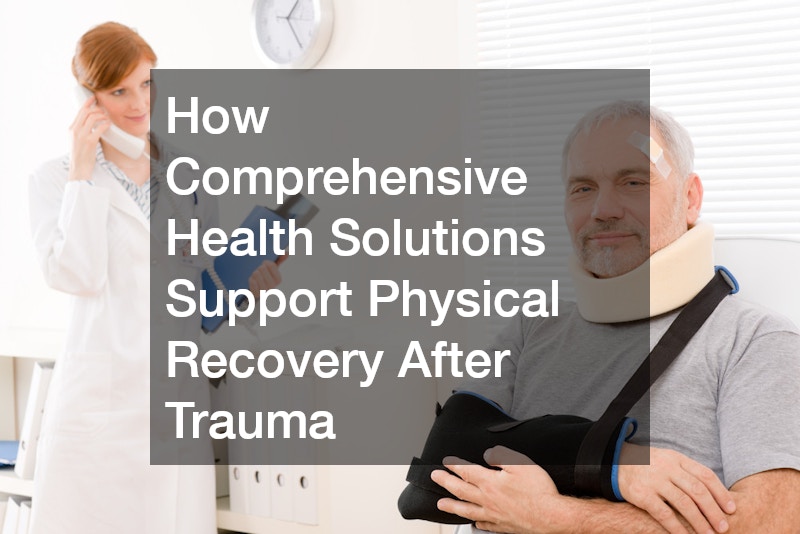
Traumatic injuries can happen suddenly and change a person’s life in an instant. Whether caused by a car accident, workplace incident, or unexpected fall, these situations often affect not only physical health but also emotional well-being, financial stability, and daily routines. Recovery from trauma rarely follows a simple path. Instead, it usually involves multiple stages of healing and the support of various professionals who specialize in different areas of care.
Building a Coordinated Recovery Plan
Understanding the Importance of Integrated Care
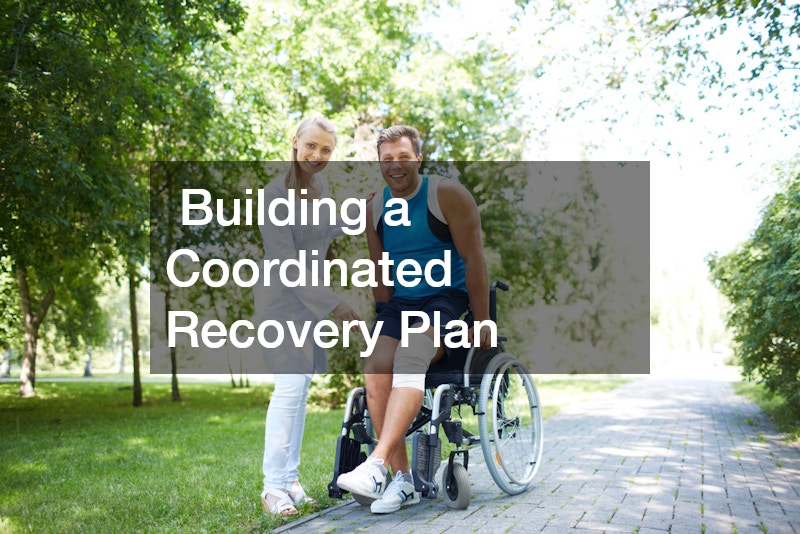
Recovering from a serious injury often requires a coordinated approach that combines medical treatment, therapy, and support services. Rather than addressing individual symptoms separately, many professionals focus on integrated care plans that prioritize long-term healing. These plans often include multiple providers who work together to monitor progress and adjust treatments over time.
A coordinated strategy allows patients to receive personalized health solutions that address physical, emotional, and practical challenges following trauma. When providers communicate effectively, patients benefit from consistent care and a clearer recovery path.
The Role of Early Assessment
Early evaluation is critical after a traumatic injury. Medical professionals must determine the severity of the injury and identify any complications that could affect recovery. Initial assessments often include diagnostic imaging, mobility tests, and neurological evaluations.
Prompt treatment reduces the risk of long-term complications and allows specialists to create a targeted recovery plan that evolves as the patient heals.
Creating Individualized Recovery Goals
Every patient’s recovery journey is different. Age, physical condition, and the nature of the injury all influence the rehabilitation process. Providers often work closely with patients to set achievable goals, such as improving mobility, restoring strength, or reducing pain.
These goals provide motivation and help track progress throughout the healing process.
Monitoring Progress Over Time
Recovery from trauma rarely happens overnight. Regular follow-ups allow healthcare professionals to evaluate improvements and adjust treatment strategies when necessary. Monitoring progress ensures that patients receive the care they need at each stage of recovery.
Physical Rehabilitation and Mobility Restoration
Why Rehabilitation Is Essential After Trauma
Rehabilitation is often the foundation of physical recovery. After a traumatic injury, muscles may weaken, joints may stiffen, and coordination may decline. Structured rehabilitation programs help patients gradually rebuild strength and mobility.
Many patients work with a physical therapist who specializes in restoring movement and improving functional abilities. These professionals design exercises tailored to the patient’s specific injury and recovery goals.
Common Rehabilitation Techniques
Physical rehabilitation may include a variety of therapeutic techniques such as:
• Strength training exercises
• Flexibility and stretching routines
• Balance and coordination drills
• Manual therapy and guided movement
Each technique supports the body’s natural healing process and encourages safe movement during recovery.
Managing Chronic Pain During Recovery
Pain management is a major focus during rehabilitation. Injuries can lead to persistent discomfort that interferes with daily activities. Many patients seek back pain relief through therapeutic exercises, posture training, and targeted treatments designed to reduce pressure on the spine and surrounding muscles.
Long-term pain management strategies may also include lifestyle adjustments and ongoing therapy sessions.
Encouraging Long-Term Physical Health
Rehabilitation professionals also educate patients on maintaining their progress after therapy sessions end. Proper movement techniques, home exercises, and ergonomic adjustments can prevent reinjury and promote continued improvement.
Navigating Financial and Administrative Aspects of Care
Understanding Healthcare Costs
Traumatic injuries often lead to unexpected medical expenses. Hospital stays, diagnostic tests, rehabilitation sessions, and specialized treatments can create significant financial challenges for patients and their families.
Understanding the administrative side of healthcare can help patients better navigate these costs and focus on recovery.
Managing Insurance and Claims
Many healthcare facilities rely on medical billing systems to manage insurance claims and treatment costs. Accurate billing ensures that services are documented correctly and helps patients avoid unnecessary delays in coverage or reimbursement.
Billing specialists often work behind the scenes to coordinate with insurance providers and ensure that medical services are processed efficiently.
Keeping Organized Medical Records
Maintaining accurate records is essential when dealing with ongoing treatment. Medical documentation helps healthcare providers track progress and ensures that insurance companies have the information they need to process claims.
Patients who keep copies of medical reports, therapy notes, and treatment plans may find it easier to manage their recovery journey.
Reducing Stress Through Administrative Support
Administrative professionals play a critical role in reducing stress for injured individuals. By handling paperwork, billing coordination, and insurance communication, they allow patients to focus on healing rather than navigating complicated systems.
Legal Support for Injury Recovery
When Legal Assistance Becomes Necessary
In some cases, traumatic injuries result from accidents involving negligence or unsafe conditions. When this occurs, legal assistance may become an important part of the recovery process. Legal professionals help injured individuals understand their rights and explore available options.
Many people seek guidance from a personal injury attorney when injuries result from vehicle accidents, workplace incidents, or hazardous environments.
How Legal Professionals Support Recovery
Legal professionals often help clients pursue compensation for medical expenses, lost income, and rehabilitation costs. This financial support can be critical for patients who require long-term treatment or specialized care.
Experienced attorneys may also collaborate with medical experts to document injuries and demonstrate the impact of trauma on a patient’s life.
Specialized Legal Representation
Certain injuries require highly specialized legal expertise. For example, individuals facing permanent mobility challenges may seek representation from a paralysis lawyer who understands the complexities of severe neurological injuries.
Specialized attorneys often work with medical professionals to build strong cases that accurately reflect the long-term effects of the injury.
Coordinating Legal and Medical Support
When legal and medical professionals communicate effectively, patients benefit from a more coordinated recovery process. Legal teams can ensure that medical treatments and rehabilitation services are properly documented and supported.
Vehicle-Related Trauma and the Road to Recovery
Understanding the Impact of Vehicle Accidents
Motor vehicle accidents remain one of the most common causes of traumatic injuries. These incidents can lead to a wide range of physical conditions, including fractures, spinal injuries, and head trauma.
After an accident, recovery often involves both medical treatment and practical services related to vehicle damage.
Repairing Vehicles After Accidents
Restoring damaged vehicles is an important step in returning to normal life. Many individuals rely on a collision repair service to evaluate and repair structural damage caused by accidents.
Repair professionals inspect vehicles thoroughly to ensure they meet safety standards before returning them to the road.
Replacing Damaged Components
Accidents often damage essential components such as bumpers, suspension systems, and body panels. Replacement auto parts allow repair specialists to restore vehicles to safe operating conditions.
Using high-quality replacement components ensures that the vehicle performs reliably after repairs are completed.
Ensuring Structural Integrity
Vehicle structure plays a critical role in protecting occupants during accidents. Specialists often perform auto frame repairs to restore the vehicle’s original alignment and safety features. These repairs help maintain structural integrity and ensure that the vehicle meets safety standards after a collision.
Supporting Long-Term Neurological Recovery
Understanding the Challenges of Severe Injuries
Severe trauma can sometimes affect the nervous system, leading to long-term complications that require specialized care. Injuries involving the brain or spinal cord often demand a multidisciplinary treatment approach that includes medical specialists, rehabilitation therapists, and long-term care planning. Recovery in these cases is often gradual and may involve significant lifestyle adjustments.
Patients dealing with mobility limitations frequently rely on advanced rehabilitation programs designed to improve independence and quality of life. These programs focus on restoring function wherever possible while helping patients adapt to new physical realities.
The Role of Specialized Medical Care
Individuals who experience serious neurological injuries often require treatment from specialists who understand the complexities of these conditions. Medical professionals evaluate nerve function, mobility limitations, and the potential for recovery through physical therapy and medical interventions.
In situations where injuries result in significant neurological impairment, legal professionals, such as a paralysis lawyer, may help patients secure resources needed for long-term care and rehabilitation.
Rehabilitation Technologies
Advancements in medical technology have improved outcomes for patients with neurological injuries. Assistive devices, robotic therapy systems, and advanced rehabilitation techniques are increasingly used to support recovery and restore mobility where possible.
These tools help patients retrain muscles, improve coordination, and regain some level of independence.
Building Independence After Trauma
Beyond physical healing, rehabilitation programs often focus on helping patients rebuild independence. Occupational therapy, adaptive tools, and home modifications can all play an important role in enabling individuals to return to daily activities and regain confidence in their abilities.
Workplace Injuries and Recovery Support
Understanding Workplace-Related Trauma
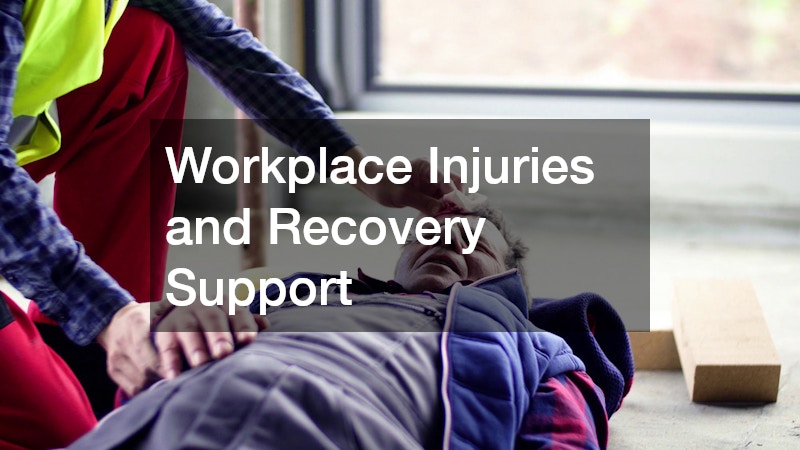
Workplace accidents are another common source of physical injuries. Construction sites, industrial environments, and physically demanding jobs can expose workers to hazards that lead to serious trauma. When injuries occur in professional settings, recovery often includes both medical treatment and workplace-related support systems.
These situations frequently require coordination between healthcare providers, employers, and insurance programs designed to support injured workers.
Medical Care and Rehabilitation
Workers recovering from injuries often need structured rehabilitation programs to restore strength and mobility. These programs may include physical therapy, specialized treatments, and gradual return-to-work plans designed to prevent further injury.
Patients benefit from consistent monitoring by medical professionals who track recovery progress and adjust treatment plans accordingly.
Legal and Financial Assistance
When workplace injuries lead to lost income or long-term medical care needs, injured workers may seek legal guidance. Many individuals consult the best workers comp lawyer to better understand their rights and navigate workers’ compensation claims.
Legal professionals can help injured workers obtain benefits that cover medical treatment, rehabilitation, and temporary wage replacement while they recover.
Returning to Work Safely
A safe return to work is often one of the primary goals of workplace recovery programs. Employers and healthcare professionals collaborate to ensure that employees are physically ready to resume their responsibilities.
Modified duties, ergonomic adjustments, and gradual work schedules can all help workers transition back into their roles without compromising their health.
Environmental and Structural Safety After Trauma
Evaluating Surrounding Environments
Physical recovery does not occur in isolation. The environments where people live, work, and travel can influence both safety and rehabilitation outcomes. Creating safer surroundings reduces the likelihood of future injuries and supports individuals who are recovering from trauma.
Property improvements and environmental adjustments are sometimes necessary to ensure that spaces remain accessible and safe.
Improving Outdoor Safety Conditions
Outdoor environments, particularly those involving uneven terrain, can pose risks for individuals recovering from injuries. Proper property preparation and maintenance play an important role in preventing accidents.
Services such as land grading help create level and stable surfaces, reducing tripping hazards and improving accessibility for individuals with mobility challenges.
Supporting Accessibility and Mobility
Many patients benefit from modifications that make homes and outdoor areas easier to navigate. These changes might include improved pathways, ramps, or redesigned entryways that allow safer movement.
Accessible environments help individuals maintain independence while minimizing the risk of further injuries.
Preventing Future Hazards
Safety improvements are often overlooked during recovery, yet they can significantly impact long-term well-being. By identifying and addressing environmental risks early, families and property owners can create spaces that support safe movement and daily activities.
Transportation and Community Mobility
Regaining Independence Through Transportation
Mobility plays a major role in returning to normal life after a traumatic injury. Being able to travel to medical appointments, therapy sessions, and everyday activities allows individuals to maintain independence and stay connected with their communities. After serious crashes, an accident recovery service is often responsible for safely removing damaged vehicles and transporting them to repair facilities so the recovery process can begin.
Transportation planning often becomes part of the recovery process, particularly for patients who depend on frequent medical care.
Vehicle Safety and Repairs
When accidents damage vehicles, restoring them safely is essential for continued transportation. Reliable repair services ensure that structural and mechanical components are restored to proper condition.
Many drivers rely on a collision repair service to inspect damaged vehicles and repair structural issues before returning them to the road.
Ensuring Proper Vehicle Function
In some situations, repairs may require replacing critical components. High-quality auto parts ensure that vehicles perform safely and efficiently after repairs are completed.
Reliable components also help extend the lifespan of repaired vehicles and reduce the likelihood of future mechanical problems.
Maintaining Structural Safety
Vehicle structure is crucial for protecting occupants during travel. When a vehicle’s frame becomes damaged, technicians often perform auto frame repairs to restore its original alignment and strength.
These repairs ensure that the vehicle maintains its protective structure and continues to meet safety standards.
Comprehensive Care and Long-Term Wellness

Combining Multiple Support Systems
Successful recovery often depends on the coordination of many professionals working toward a shared goal. Healthcare providers, rehabilitation specialists, legal experts, and support services all contribute to creating a strong foundation for healing.
A well-organized recovery system allows patients to access treatment, manage financial responsibilities, and receive support throughout their rehabilitation journey.
Addressing Pain and Physical Limitations
Pain management remains a key component of long-term recovery. Individuals recovering from injuries often require ongoing treatment to maintain mobility and comfort.
Therapies focused on back pain relief can help reduce inflammation, strengthen supportive muscles, and improve posture. These approaches help patients regain movement while minimizing discomfort during daily activities.
Administrative Support for Healthcare Services
Behind every treatment plan is an administrative system that helps coordinate care. Services such as medical billing ensure that treatment records, insurance claims, and healthcare documentation are processed accurately.
Efficient administrative support allows healthcare providers to focus on patient care while ensuring that financial processes run smoothly.
Building Sustainable Health Strategies
Recovery does not end once initial injuries heal. Long-term wellness requires ongoing attention to physical health, lifestyle habits, and preventative care.
By combining rehabilitation, medical care, and supportive services, individuals can create sustainable health solutions that promote long-term strength, mobility, and resilience.
Recovering from trauma is a complex journey that involves far more than medical treatment alone. Individuals often rely on a wide network of professionals who contribute expertise, guidance, and support at different stages of the healing process. Rehabilitation specialists, administrative professionals, legal advisors, and service providers all play valuable roles in helping patients regain stability and independence.